Resurrecting the Ghost in the Machine: The Rise of Paleoepigenetics


The Biological Ledger: Genetics vs. Epigenetics
To understand paleoepigenetics, one must first distinguish between the stability of the genome and the plasticity of the epigenome. DNA is remarkably resilient. Under ideal conditions—such as permafrost or deep, cool caves—the double helix can remain structurally sound for up to one million years. This provides a deep-time window into the lineage and speciation of extinct creatures, from woolly mammoths to archaic hominins like the Denisovans.

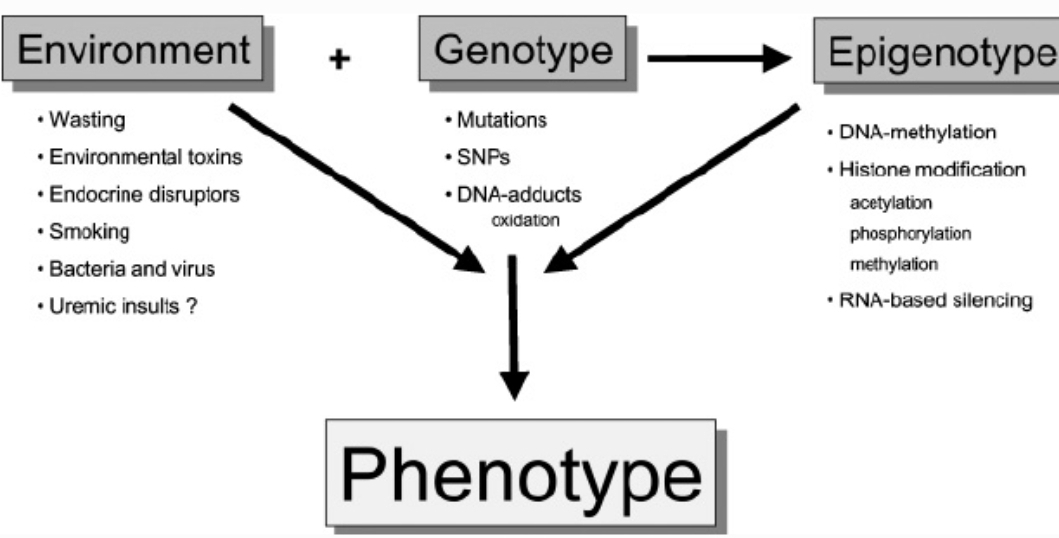
In contrast, epigenetic tags—most notably DNA methylation—are far more ephemeral. These tags act as a biological ledger, recording an individual's response to their environment, diet, stress levels, and even social structures. However, these chemical marks are prone to degradation. Current research suggests that while DNA might last a million years, the detectable epigenetic "signatures" generally survive for only about 100,000 years.
This discrepancy creates a "temporal ceiling" for paleoepigeneticists. While we can map the genome of a Middle Pleistocene ancestor, we can only reconstruct the epigenome of more recent specimens. Yet, within that 100,000-year window lies the most critical period of human cultural and cognitive evolution.
Reconstructing the Invisible
The central challenge of paleoepigenetics is that epigenetic marks do not simply "stay put" after death. DNA methylation involves the addition of a methyl group to cytosine bases (creating 5-methylcytosine). Over millennia, these methylated cytosines undergo a natural chemical process called deamination, where they lose an amine group and transform into thymine.
In modern genetics, this would be a source of error. In paleoepigenetics, this degradation is the key to discovery. By analyzing the specific patterns of "damage" (the C-to-T transitions), researchers can computationally work backward to determine which parts of the ancient genome were originally methylated. 
Insights into the Ancient Human Experience
Why does this matter? Because epigenetics is the interface between nature and nurture. By looking at ancient methylomes, researchers have begun to uncover details that bones and stone tools cannot provide:
Anatomical Predictions:
Epigenetic markers in the HOX genes (which control body plan development) allowed scientists to predict the physical appearance of Neanderthals —such as their wider pelvis and increased dental arch—using only a finger bone and a tooth.
Dietary and Environmental Adaptation:
Methylation patterns can reveal how ancient populations adapted to new climates or diets. For instance, the transition from hunter-gatherer lifestyles to settled agriculture left distinct marks on genes associated with sugar metabolism and immune responses.
Disease and Stress:
Because trauma and famine leave epigenetic "scars," paleoepigenetics offers a way to measure the lived stress of ancient populations, providing a more empathetic and granular view of history than mere skeletal measurements.
The Tissue-Specificity Dilemma

A major hurdle discussed in the field is that epigenetics is tissue-specific. Every cell in your body has the same DNA, but a brain cell has a vastly different "epigenetic signature" than a bone cell. Since most ancient DNA is recovered from bones or teeth, researchers are primarily seeing the "epigenetic life" of a skeleton.
To combat this, the "Past Meets Future" framework suggests the use of cross-tissue correlation. By studying how methylation in bones relates to methylation in the brain in living humans, researchers can use ancient bone data to make "educated guesses" about the gene activity in the brains or hearts of our ancestors. This allows us to speculate on the evolution of human speech, cognition, and even psychiatric predispositions.
The Future of the Past
As we look toward the future of paleoepigenetics, the focus is shifting toward higher-resolution data and broader sample sizes. We are moving from simply "reading" ancient genomes to "interpreting" ancient lives.
However, the field must contend with the 100,000-year limit. While we may never know the "epigenetic stress" of a Homo erectus from two million years ago, the window we do have covers the rise of Homo sapiens, the extinction of the Neanderthals, and the birth of modern civilization.
Conclusion
The article "Epigenetics: It's Getting Old" reminds us that biology is not a static script but a living dialogue with the world. Paleoepigenetics is the science of eavesdropping on that dialogue across the chasm of time. By recognizing that epigenetic tags have a shorter "shelf life" than the DNA they sit upon, we learn to value the precious, fleeting data they provide. We are finally moving beyond knowing who our ancestors were to understanding how they lived, breathed, and adapted to an ever-changing world.



Comments
Post a Comment