The Biological Architecture of Belief: How Epigenetics Can Rewire the Cultic Brain


Exodus 20:
"You shall not bow down to them or worship them; for I, the Lord your God, am a jealous God, punishing the children for the sin of the parents to the third and fourth generation of those who hate me, but showing love to a thousand generations of those who love me and keep my commandments."
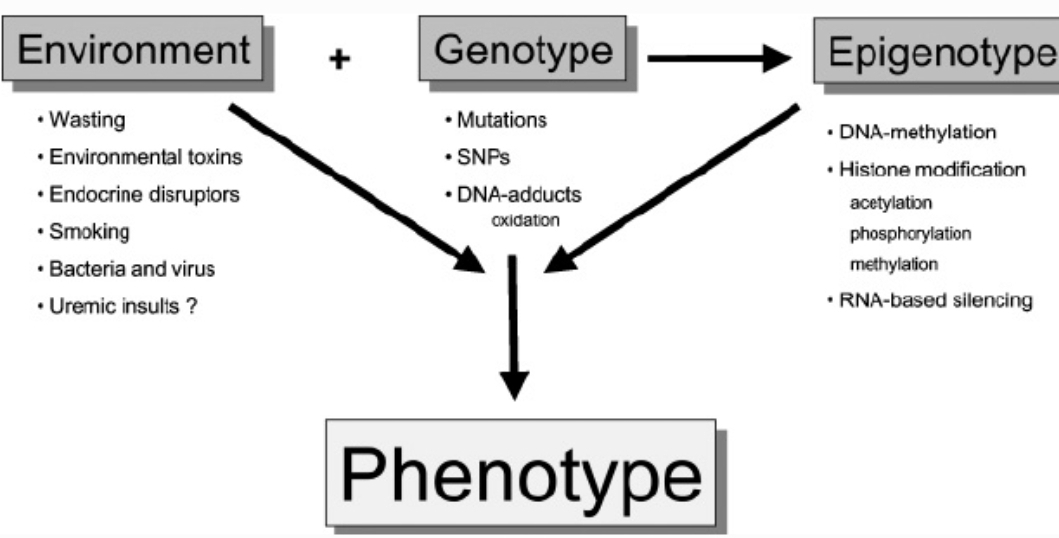
The human brain is an extraordinary organ of adaptation, but that very plasticity is a double-edged sword. While it allows us to learn and grow, it also makes us vulnerable to the psychological and physiological "hijacking" characteristic of cult-like environments. When a group or ideology utilizes fear, isolation, and rhythmic ritual, they aren't just changing a person's mind; they are altering their neurobiology. However, the emerging field of epigenetics—the study of how environment and behavior change the way your genes work—suggests that just as the brain can be pulled into a state of compliance, it can also be biologically "reset" toward autonomy.
1. The Limbic System: 
The limbic system, particularly the amygdala, is the brain’s "alarm bell." Cults thrive by keeping this bell ringing. By maintaining a state of perceived external threat (the "evil world") or internal shame (the "sinful self"), an environment can keep an individual in a state of hyper-arousal. This creates a desperate need for emotional "certainty," which the group provides through intense bonding rituals.
The Epigenetic Reversal:

Epigenetic mechanisms, such as DNA methylation, can influence the sensitivity of the glucocorticoid receptors in the brain. In a cultic environment, chronic stress might "downregulate" these receptors, leaving a person in a permanent state of anxiety. 

2. The Endocrine System: 
Cults often utilize a "push-pull" dynamic of stress and reward. High-stress environments (screaming sessions, sleep deprivation, or fear of shunning) trigger cortisol, while the subsequent "love bombing" or group praise triggers oxytocin and dopamine. This creates a powerful endocrine cocktail that mirrors the neurobiology of addiction. The brain begins to associate the group with the only available relief from the very stress the group is causing.
The Epigenetic Reversal:
This cycle of hormonal dependency can be challenged by restoring hormonal balance through lifestyle and environmental shifts. Epigenetics plays a role in how the body manages the "HPA axis" (the Hypothalamic-Pituitary-Adrenal axis): 
3. Lower Brain and Habit Systems: 
The basal ganglia and other lower brain structures govern habit, ritual, and repetition. Cultic groups utilize chanting, repetitive lectures, and strict daily schedules to move compliance from a conscious choice to an automatic habit. When a behavior becomes a "lower brain" function, it bypasses the need for the individual to think or agree—they simply perform.
The Epigenetic Reversal:
Ex 20
"but showing love to a thousand generations of those who love me and keep my commandments.:
The transition from compliance to personal autonomy is a matter of neuroplasticity driven by epigenetic change. Every time an individual makes a conscious, autonomous choice that breaks a previous "cult habit," they are engaging in a process that requires the expression of "immediate early genes" (IEGs). These genes are the first responders to new experiences and are crucial for reconfiguring neural circuits. By intentionally diversifying one’s environment and engaging in novel activities, the epigenetic landscape of the brain’s habit centers begins to shift. This weakens the "muscle memory" of compliance and strengthens the biological pathways associated with self-directed action.
4. The Prefrontal Cortex: 
In a cultic state, the prefrontal cortex (PFC)—the seat of critical thinking, logic, and long-term planning—is often "offline." When the limbic system is screaming and the endocrine system is flooding the body with cortisol, the PFC is suppressed. The person loses the ability to spot contradictions or resist manipulation. This is why highly intelligent people can be found in cults; their "thinking" brain has been biologically sidelined by their "feeling" brain.
The Epigenetic Reversal:

The most critical protection against manipulation is a robust, engaged prefrontal cortex. Epigenetic research indicates that cognitive stimulation and critical thinking exercises can actually increase the expression of Brain-Derived Neurotrophic Factor (BDNF).
The Biology of Resilience
Cult-like thinking is not a permanent state of the soul; it is a temporary, albeit deep, conditioning of the biology. Because our genes are constantly responding to our environment through epigenetic signaling, the brain remains capable of healing. By prioritizing emotional regulation, hormonal stability, personal autonomy, and critical thinking, we don't just "change our minds"—we provide our cells with the instructions they need to rebuild a resilient, independent, and protected self.



Comments
Post a Comment