The Blueprint of Being: Epigenetics, Stem Cells, and the Mystery of Adams Rib

The narrative of Eve’s creation from Adam’s rib in the Book of Genesis is one of the most enduring stories in human history. For millennia, it was viewed purely through the lens of divine miracle or poetic metaphor. However, as our understanding of regenerative biology and molecular genetics deepens, a fascinating bridge begins to emerge between ancient scripture and modern science. By looking at the rib through the dual lenses of stem cell potency and epigenetic regulation, we can construct a biological framework for how "bone of my bones" might translate into a sophisticated act of cellular engineering.
The Rib as a Biological Reservoir
From a physiological standpoint, the choice of a rib is remarkably astute. The human rib cage is not merely a structural cage; it is a dynamic site of hematopoiesis and a rich reservoir of Mesenchymal Stem Cells (MSCs). 
Furthermore, the rib is unique in its regenerative capacity. If the periosteum (the connective tissue covering the bone) is left intact during a rib resection, the bone can actually regrow. 
The Epigenetic Transformation: Beyond the DNA
While stem cells provide the raw material, they do not explain the most significant hurdle: the transition from male to female. If Eve were created using Adam’s DNA, she would fundamentally share his genetic sequence. In modern biology, the process of turning a male cell (XY) into a female-functioning organism (often perceived as XX) or simply a distinct individual requires more than just DNA; it requires epigenetics.

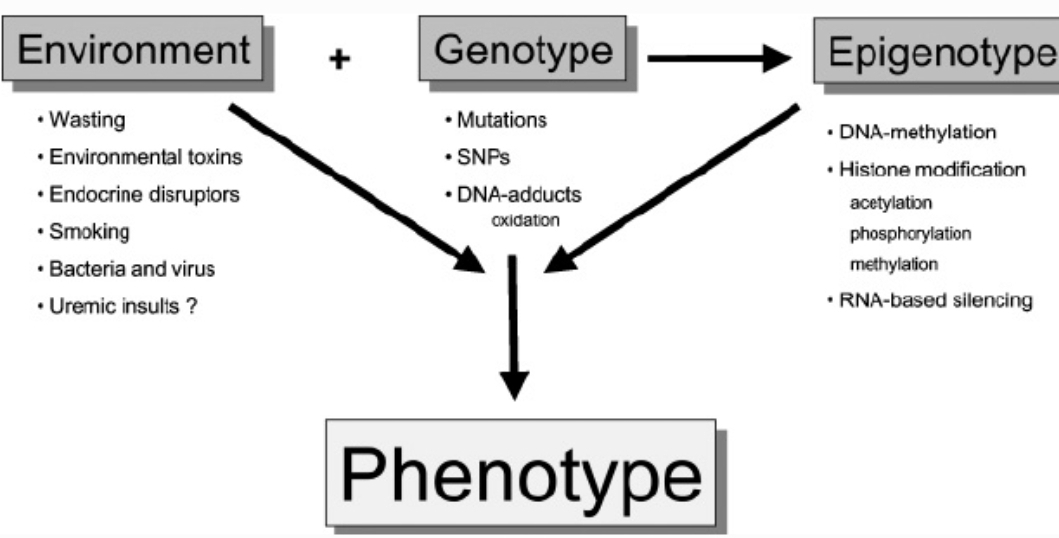
Epigenetics is the study of how behaviors and environment can cause changes that affect the way genes work. Unlike genetic changes, epigenetic changes do not change the DNA sequence, but they change how your body reads a DNA sequence. This is achieved through mechanisms like DNA methylation and histone modification, which act as "on/off" switches for specific genes.

In this theoretical model, a divine "reprogramming" would involve a massive epigenetic overhaul of Adam's stem cells. To form Eve, the biological machinery would need to silence certain Y-chromosome traits and activate or amplify the expression of genes that drive female development. This is not as far-fetched as it sounds; in the early stages of embryonic development, all humans follow a similar path until specific signals trigger differentiation. Through epigenetic signaling, the stem cells taken from Adam’s rib could be instructed to build a body that is genetically related yet phenotypically distinct.
The X and Y Factor: A Genetic Mirror
A common scientific critique of the "Adam's Rib" theory is the chromosomal difference between the sexes. If Eve was a "clone" of Adam, she would technically be male. However, the use of epigenetics offers a compelling workaround. Modern research into induced Pluripotent Stem Cells (iPSCs) has shown that we can take a specialized adult cell and "rewind" its clock to an embryonic-like state.
From this state, the genetic material can be edited or expressed differently. To create Eve, the biological process would involve the removal of the Y chromosome and the duplication of the X chromosome from Adam’s XY pair. This would result in a female (XX) who is a perfect genetic match to the "donor," yet a unique individual. This provides a scientific basis for the biblical claim of being "flesh of my flesh"—a level of biological intimacy that transcends siblings or even parent-child relationships, bordering on the relationship between a donor and a recipient of a perfectly matched graft.
Symbolic Harmony and Biological Complexity
The intersection of epigenetics and stem cell science doesn't strip the story of its divinity; rather, it adds a layer of intricate complexity. It suggests that the creation of Eve was not a "magic trick" that bypassed the laws of nature, but a profound mastery over them. It depicts a Creator who understands the language of the genome and the plasticity of the cell.
By utilizing Adam’s own cells, the narrative reinforces a theological point of total equality and shared essence. Epigenetics shows us that two beings can have the same underlying "script" (DNA) but perform different "plays" (phenotypes) based on which parts of the script are highlighted.
Conclusion
Viewing the creation of Eve through the lens of 21st-century biology allows us to see the rib not as a spare part, but as a sophisticated biological starter kit. The presence of mesenchymal stem cells provides the "matter," while epigenetic reprogramming provides the "form." This synthesis of science and scripture invites us to marvel at the possibility that ancient texts may have encoded biological truths that we are only now beginning to decode. It suggests that the origins of humanity are rooted in a profound biological unity, where the smallest cell contains the blueprint for the entire human experience.



Comments
Post a Comment