Decoding Epigenetic Hox Gene Regulation in Snakes - Theological Implications

The intricate tapestry of animal development weaves intricate patterns, sculpting diverse body forms from a single set of genes. Hox genes, master regulators of body patterning, play a pivotal role in this orchestration. But how are these powerful genes themselves controlled? Epigenetics, the layer of instructions atop the DNA, holds the key, influencing Hox gene expression through a fascinating dance of chemical modifications and protein partnerships.
Snake development offers a captivating illustration of Hox gene regulation. These limbless reptiles, despite lacking external limbs, retain limb-associated Hox genes in their genomes. Even more intriguing, some Hox enhancers, regulatory DNA sequences that switch genes on, exhibit shared activity in both the phallus, a modified limb used for reproduction, and the remnants of internal limbs buried within their bodies.
In neo darwinism why would limbs evolve only to devolve? Neo darwinism does not go backward. Mutations are one way.
This raises tantalizing questions: how do epigenetic mechanisms fine-tune Hox gene expression in snakes, and how do these modifications drive divergence of function in seemingly related elements?

Epigenetic Choreography:
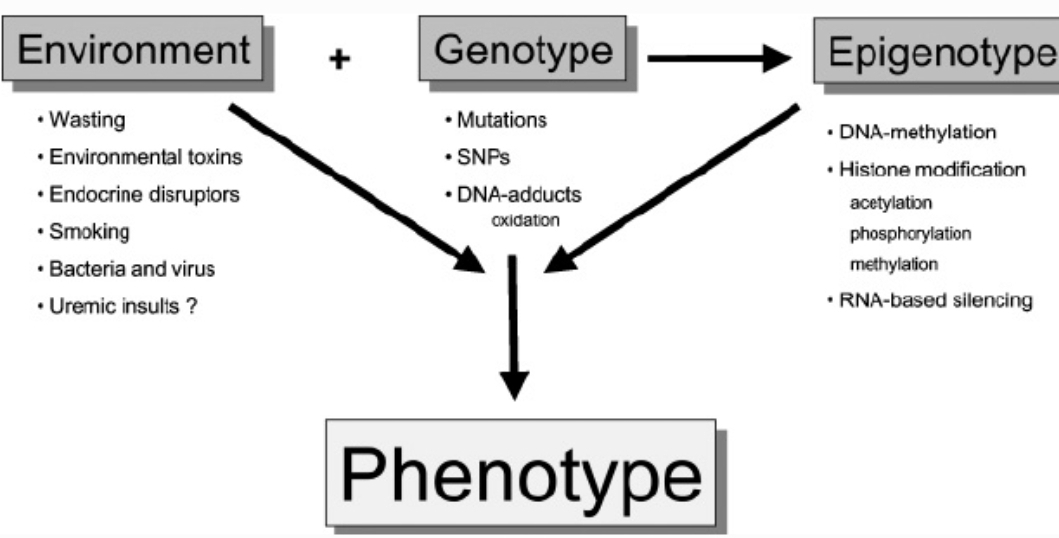
Imagine the DNA as a tightly coiled scroll. Epigenetic modifications act like chemical bookmarks and tags, influencing how easily genes can be accessed. Three main mechanisms play a central role in Hox gene regulation:
DNA methylation: The addition of a methyl group to a DNA building block can shut down gene expression. For Hox genes, methylation often silences genes not needed in a specific body region, ensuring precise spatial patterning.
Histone modifications: Histones are protein spools that package DNA. Adding or removing chemical groups like acetyl or methyl to these spools can loosen or tighten their grip on the DNA, making genes more or less accessible. For Hox genes, specific histone modifications often mark open, active chromatin regions.
Chromatin remodelers: These proteins act like molecular cranes, physically shifting the position of nucleosomes (histone-DNA complexes) on the DNA, making it easier or harder for other regulatory proteins to access the genes.
This epigenetic tango unfolds throughout development, dynamically tuning Hox gene expression in response to positional cues and signaling pathways. In snakes, methylation patterns around limb-associated Hox genes differ between embryos with and without external limbs, suggesting epigenetic involvement in limb suppression.
Shared Enhancer Dance:
But what about the shared enhancer activity in the phallus and limb remnants? It turns out, specific DNA sequences within these enhancers hold the key. Researchers have identified a cis-regulatory element, a short DNA sequence that controls gene expression, showing activity in both limbs and the phallus.

This element, dubbed LGE (Limb-Genital Element), acts as a platform for binding of various transcription factors, proteins that switch genes on or off.
Interestingly, while the LGE sequence is conserved across snake species, its function has diverged. In some snakes, LGE activates Hox genes in both limbs and the phallus. In others, LGE retains limb-specific function, while a different enhancer drives Hox expression in the phallus. This functional divergence hints at the development of novel regulatory landscapes within the LGE, despite its conserved DNA sequence.
Epigenetic Fine-Tuning:
Here's where the epigenetic plot thickens. Researchers have found that distinct histone modifications mark the LGE in limbs and phallus. In the limbs, LGE is enriched with active chromatin marks, hinting at Hox gene activation. In the phallus, however, LGE shows a unique combination of both active and repressive marks, suggesting a more nuanced regulatory scheme. These epigenetic differences might explain how the LGE retains its limb-specific function in some snakes while acquiring a novel role in the phallus in others.
Unraveling these epigenetic riddles holds immense promise. Understanding how Hox genes are regulated in snakes could shed light on the evolution of limblessness and the development of novel structures like the phallus. More broadly, deciphering the epigenetic code governing Hox gene expression could unlock insights into diverse developmental processes and even inform regenerative medicine strategies.
The dance of epigenetic modifications on Hox genes in snakes offers a captivating glimpse into the intricate control of development. Through a complex interplay of DNA methylation, histone modifications, and chromatin remodeling, snakes finely tune Hox gene expression, crafting unique body forms despite the absence of external limbs. Studying this epigenetic waltz not only deepens our understanding of snake development but also opens doors to broader evolutionary and developmental insights, beckoning us to further explore the secrets hidden within the epigenetic landscape.
Lucifer and the Snake
Genesis 3:1 “Now the serpent was more crafty ( shrewd, sensible- eg, sentient) than any beast of the field which the Lord God had made..”
The proposition of angels manipulating genetics and epigenetics, specifically Lucifer altering the Hox genes of a snake to make it walk, is an intriguing one, but it delves into the realm of religious interpretation. Manipulating complex genetic networks like Hox genes with pinpoint precision remains beyond the capabilities of current scientific understanding. But what of Angels? Hox genes are part of a complex network of genes and regulatory elements that orchestrate development. Epigenetic hurdles: Even if the Hox gene itself was modified, epigenetic modifications around the gene play a crucial role in its expression. Lucifer would need to manipulate these modifications with extreme precision to ensure proper limb development and function.
Evolutionary context: Snakes developed from limbed ancestors over millions of years. Reintroducing limbs would require not just Hox gene alteration, but also the re-emergence of countless lgenes and developmental pathways, making it an exceedingly complex feat.
Theological and Fictional Approaches:
Miraculous intervention: In some theological interpretations, angels are depicted as beings with supernatural powers that could potentially override natural laws. In this framework, Lucifer altering snake genes could be seen as a miraculous intervention.
Science fiction twists: Within the realm of science fiction, fictional technologies or alternative understanding of genetics could be applied to explain Lucifer's manipulation. This could involve advanced gene editing tools, deeper understanding of epigenetics, or even manipulation of the fabric of reality itself.
Ultimately, the possibility of Lucifer altering a snake's genes to make it walk remains in the realm of theology. However epigenetics of hox genes lends potential to this view.



Comments
Post a Comment