The Design of Genomic Mobility: Transposable Elements as Tools of Adaptive Plasticity


In the ongoing dialogue between biological complexity and origins, the presence of Transposable Elements (TEs) often historically dismissed as "junk DNA" has emerged as a central pillar of the Old Earth Creationist (OEC) common design argument. Rather than viewing these mobile genetic sequences as the scars of ancient viral infections or random evolutionary accidents, the OEC model posits that TEs are sophisticated, pre-programmed mechanisms of epigenetic regulation and phenotypic plasticity.
By functioning as "architectural toolkits," TEs allow organisms to generate new phenotypes rapidly in response to environmental stress, creating a pattern of morphological similarity that can give the impression of common ancestry while actually reflecting a shared, purposeful design.

The Shift from "Junk" to "Engine"
For decades, the "Common Descent" model used the presence of identical TE insertions across different species (such as humans and chimpanzees) as a "smoking gun" for a shared ancestor. The logic was simple: why would a Creator place the same "broken" or "useless" genetic sequence in the same spot in two different blueprints?
However, the OEC common design argument reframes this by highlighting the functional roles of TEs. Under this view, TEs are not genomic parasites; they are distributed control modules.
Regulatory Switches: TEs often carry promoters and enhancers that can turn nearby genes on or off.
Stress Responders: Many TEs are activated by environmental stressors (temperature, diet, or predation), triggering genomic rearrangements that allow a population to adapt without waiting for rare, beneficial point mutations.
Epigenetics and Phenotypic Plasticity
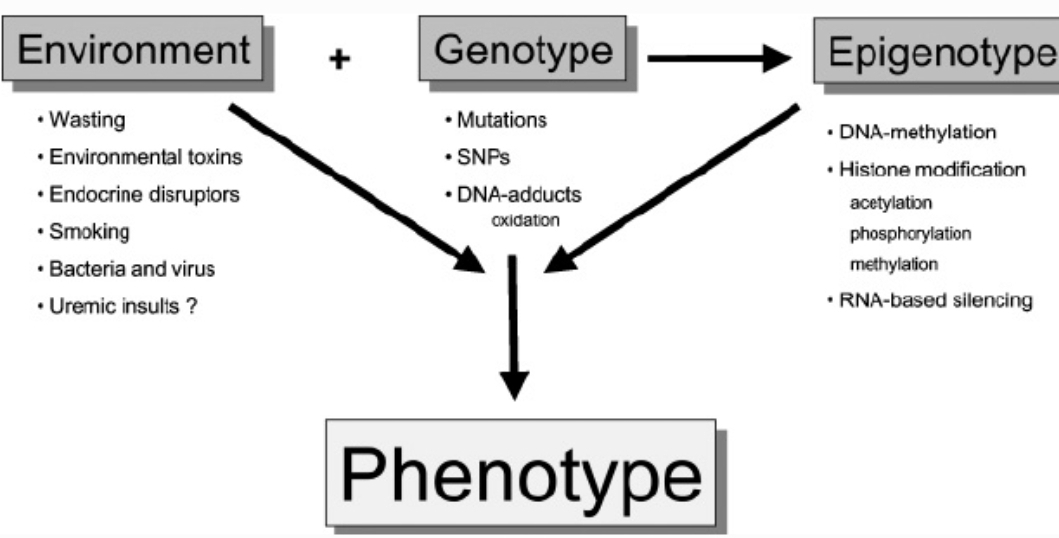
Central to the OEC argument is the role of epigenetics. While the DNA sequence (the hardware) remains relatively stable, epigenetic markers determine how that DNA is expressed (the software). 
Through phenotypic plasticity, a single genotype can produce multiple phenotypes depending on the environment. 
This process is:
Directed: It follows pre-loaded biological algorithms.
Rapid: It occurs over a few generations, far faster than standard Neo-Darwinian mechanisms.
Non-Random: It targets specific areas of the genome to ensure the organism's survival.
The Illusion of Common Ancestry
The most provocative aspect of the OEC argument is how it explains the "Nested Hierarchy" of life. If two different species say, a whale and a hippo share similar TEs, the OEC proponent argues this is evidence of Common Design for Common Function.
If a Designer intended for different organisms to utilize the same adaptive "subroutines" to handle similar environmental challenges, those organisms would require the same TE tools located in the same genomic neighborhoods. This creates a pattern of Homoplasy (similarities not due to common descent) that mimics the branching tree of evolution.

“What looks like a shared mistake or a viral remnant is actually a shared functional module, placed there to allow diverse lineages to navigate the complexities of a changing Earth."
Challenges to the Modern Synthesis
The OEC common design argument leverages current scientific dissatisfaction with the Modern Synthesis (the standard view of evolution). Modern biologists are increasingly recognizing the "Extended Evolutionary Synthesis," which grants more weight to plasticity and epigenetics.
OEC scholars argue that the more we find "purpose" and "function" in the non-coding regions of the genome (where TEs reside), the weaker the argument for "neutral evolution" becomes. If TEs are essential for the development of an embryo or the adaptation of a species, their placement becomes a matter of functional necessity rather than evolutionary history.
Conclusion: A Purposeful Architecture
The OEC common design argument reinterprets the genome from a record of historical accidents to a masterpiece of anticipatory engineering. In this framework, Transposable Elements are the keys to a "hidden" layer of biological information. They provide the mechanism for phenotypic plasticity, allowing life to be both stable and incredibly adaptive.
By recognizing TEs as epigenetic tools, OEC offers a robust alternative to common descent: the similarities we see across the tree of life are not the results of a single ancestral line, but the signatures of a Designer using a consistent, highly efficient language to equip all living things for the rigors of a dynamic world.



Comments
Post a Comment