The Epigenetic Architecture of Humanity: Beyond the Genetic Blueprint


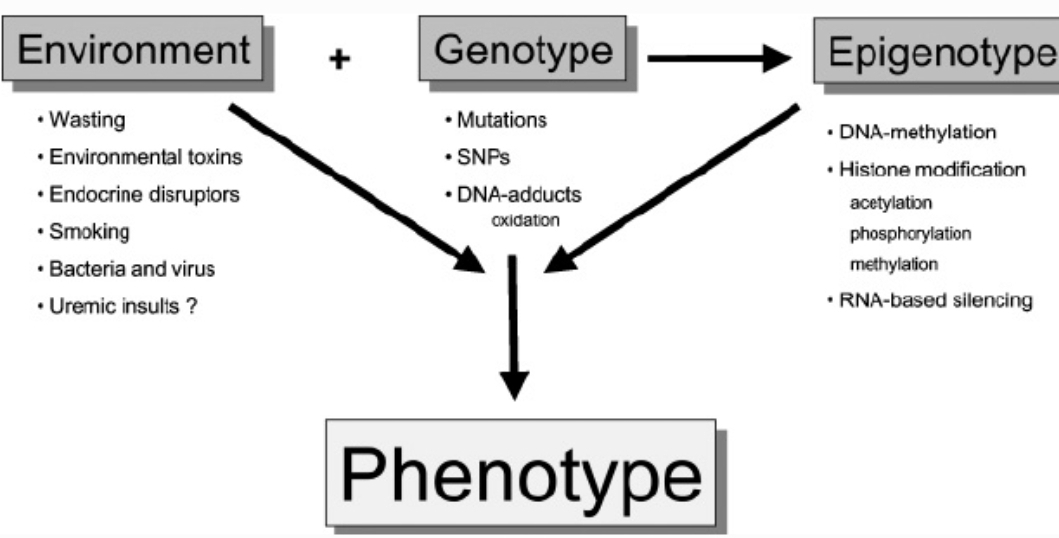
Epigenetics refers to heritable changes in gene expression that do not involve alterations to the underlying DNA sequence. These changes act as a sophisticated "dimmer switch" for genes, turning them up or down in response to environmental cues. 

The Bridge Between Environment and Evolution
One of the primary reasons epigenetics was essential to human development is its role as a rapid-response system. Traditional genetic evolution is slow, often taking thousands of generations for a beneficial mutation to become fixed in a population. 
Epigenetic mechanisms, such as DNA methylation and histone modification, allowed our ancestors to adapt within a single lifetime or across just a few generations. This "phenotypic plasticity" meant that while the DNA remained the same, the expression of that DNA could shift to optimize metabolism, heat retention, or stress responses. 

Sculpting the Human Brain

The hallmark of the modern human is our oversized, highly complex brain. While specific genes (like SRGAP2 or ARHGAP11B) are unique to the human lineage, the sheer complexity of our neural networks cannot be explained by DNA sequences alone. Epigenetics provided the regulatory framework necessary for the extreme "neoteny" seen in humans the slowing down of development that allows for a prolonged period of brain growth and learning after birth.
During gestation and early childhood, epigenetic markers guide the differentiation of neural stem cells into a staggering variety of specialized neurons. Furthermore, the human brain is uniquely "open" to its environment. Experiences, social interactions, and learning trigger epigenetic changes in the brain that reinforce certain neural pathways. 
The Metabolic Shift
The development of the human brain came at a high energetic cost. To fuel such an organ, modern humans had to evolve distinct metabolic profiles compared to our primate cousins. Epigenetics played a vital role in this transition, particularly concerning how we store and utilize energy.
Research into "paleoepigenetics" suggests that shifts in diet such as the transition to cooking and increased protein consumption triggered epigenetic modifications that altered insulin sensitivity and fat storage. 
Transgenerational Inheritance and Cultural Stability
Perhaps the most profound contribution of epigenetics is the possibility of transgenerational epigenetic inheritance. 
In the context of human evolution, this created a biological feedback loop. As early humans developed complex social structures and tools, the "niche" they lived in changed. This new environment triggered epigenetic responses that were passed down, effectively priming the next generation for the world they were about to enter. This synergy between biological plasticity and cultural innovation accelerated the pace of human development, leading to the rapid emergence of modern behavioral traits.

Conclusion
Modern humans are not merely the sum of their genes; we are the result of a multi-layered dialogue between our code and our context. Epigenetics provided the necessary "software" updates that allowed a primate genome to support a human consciousness. By enabling rapid environmental adaptation, facilitating the complexity of the brain, and optimizing our metabolism, epigenetics acted as the invisible architect that sculpted the modern human form from the raw clay of our genetic history.



Comments
Post a Comment