The Ghost in the Genome: Neanderthal Introgression, Epigenetics, and Human Disease

The Legacy of Introgression
When Homo sapiens migrated out of Africa, they encountered Neanderthals who had already spent hundreds of thousands of years adapting to the Eurasian environment. Through interbreeding, humans "borrowed" genetic adaptations. This process, known as adaptive introgression, allowed for rapid evolutionary jumps. However, many of these variants, which were beneficial in a hunter-gatherer context, have become mismatched with our modern lifestyle.
For instance, Neanderthal-derived alleles are heavily enriched in genes related to keratin filaments (affecting skin and hair) and the innate immune system. In the Pleistocene, a hyper-vigilant immune system was a life-saving defense against local parasites and bacteria. In the hygienic environment of the 21st century, that same genetic trigger often overreacts, leading to increased risks of lupus, primary biliary cholangitis, and Crohn’s disease. Furthermore, introgression has been linked to blood hypercoagulability. While fast-clotting blood helped ancient humans survive wounds during hunts, it now manifests as an increased risk for stroke and pulmonary embolism.
The Epigenetic Interface
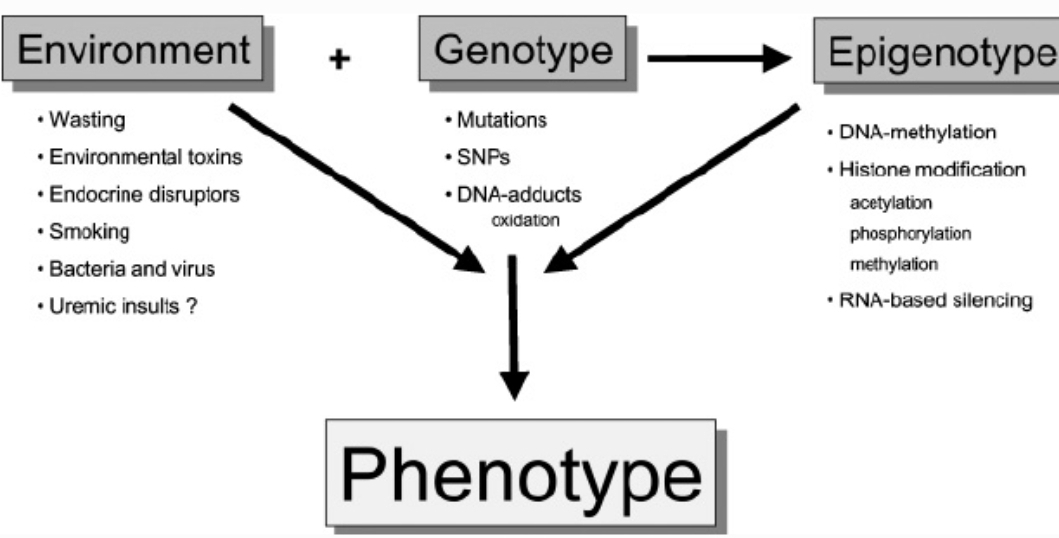
The presence of a Neanderthal gene is not always a guarantee of its expression. This is where epigenetics, the study of heritable changes in gene expression that do not involve alterations to the underlying DNA sequence plays a crucial role. 
Research into "archaic DMRs" (Differentially Methylated Regions) has revealed that while the DNA sequence of a Neanderthal gene might be identical in two people, its epigenetic marking can vary wildly. Some Neanderthal-derived alleles are "silenced" in certain tissues but highly active in others. For example, specific archaic variants associated with the TLR1 and TLR6 genes (toll-like receptors) show distinct methylation patterns that dictate how aggressively a person’s immune system responds to environmental triggers.

Epigenetic Misregulation and Disease
Epigenetics helps explain why Neanderthal DNA affects complex traits like brain chemistry and metabolism. A significant portion of introgressed DNA lies in non-coding regions, the "dark matter" of the genome, that regulates how other genes function. These sequences often act as enhancers or promoters.
If a Neanderthal regulatory sequence is sensitive to modern environmental stressors (like high-sugar diets or chronic stress), it can lead to epigenetic misregulation. Scientists have discovered that introgressed sequences are associated with the risk of Type 2 diabetes and obesity.
In these cases, the ancient DNA may have helped survive seasonal starvation by maximizing fat storage (the "thrifty gene" hypothesis). Today, epigenetic modifications keep these "fat-storing" genes in the "on" position, leading to metabolic syndrome.
In the realm of mental health, Neanderthal alleles have been linked to circadian rhythm disruptions causing depression and schizophrenia. The epigenetic regulation of these alleles is often sensitive to light exposure. In an era of artificial blue light and disrupted sleep cycles, the epigenetic triggers on these ancient genes may be flipped inappropriately, contributing to mood disorders that were likely non-existent in the Neolithic era.
The Future of Paleo-Medicine
Understanding the interplay between Neanderthal introgression and epigenetics is more than a prehistoric curiosity; it is a frontier for personalized medicine. By identifying which patients carry high-risk archaic variants and, more importantly, how those variants are epigenetically marked, clinicians can better predict disease susceptibility.
We are beginning to view the human genome not as a static blueprint, but as a palimpsest a document that has been written over, erased, and modified. The Neanderthal "ghost" in our DNA is very much alive, and through the lens of epigenetics, we are finally learning how to manage the ancient legacy that continues to shape our modern health.



Comments
Post a Comment