The Ghost in the Machine: The Evolutionary Odyssey of Vertebrate Epigenetics

The blueprint of life is often imagined as a static script—a sequence of nucleotides (A, C, T, and G) that dictates the form and function of an organism. However, the true complexity of vertebrate life lies not just in the sequence itself, but in the layers of "instructions" draped over the DNA. This is the realm of epigenetics.


The Concept of the Epigenome
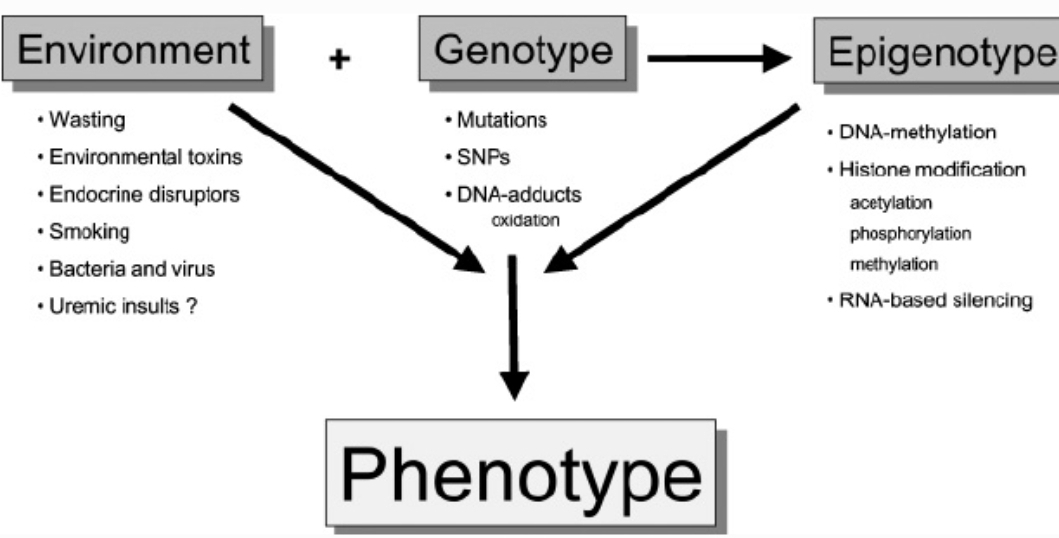
At its core, epigenetic regulation refers to heritable changes in gene expression that do not involve alterations to the underlying DNA sequence. In vertebrates, this system functions like a sophisticated dimmer switch, turning genes on or off or tuning their intensity in response to developmental cues and environmental stimuli.

The primary mechanisms include:
DNA Methylation: The addition of a methyl group to DNA (usually at CpG sites), which typically acts to silence gene expression.
Histone Modification: The chemical tailoring of the proteins around which DNA is wrapped. Depending on the modification, the "wrap" can be tightened (silencing) or loosened (activating).
Chromatin Remodeling: The physical restructuring of the genome's 3D architecture to make specific regions accessible to the machinery of the cell.
From Invertebrates to Vertebrates: The Great Expansion
The evolutionary transition from simple chordates to complex vertebrates was marked by a massive upheaval in genome structure. A defining event in this history was the Whole Genome Duplication (WGD) events—specifically the two rounds (2R) that occurred at the base of the vertebrate lineage.
When a genome duplicates, the organism suddenly has "spare" copies of every gene. While many of these duplicates are lost to mutation, others are co-opted for new functions. Epigenetic regulation was the essential tool that allowed vertebrates to manage this sudden wealth of genetic material. By differentially silencing or activating these new gene copies, early vertebrates could experiment with new cell types and specialized tissues without losing the original, essential functions of the genes.
The Rise of the CpG Island
One of the most striking features of vertebrate epigenetic evolution is the specialized use of CpG islands. 
These CpG islands became the gatekeepers of the vertebrate genome. By keeping these islands unmethylated, the cell ensures that "housekeeping" genes—those essential for basic survival—stay active. Conversely, the methylation of these islands allows for the permanent silencing of genes that are only needed during specific embryonic stages. 
Epigenetics and the "Invention" of Complexity

The evolution of the vertebrate brain and the neural crest (often called the "fourth germ layer") is inextricably linked to epigenetic sophistication. The neural crest is a mobile population of cells unique to vertebrates that migrates throughout the embryo to form the face, skull, and parts of the nervous system.
Studies show that the "regulatory landscape" surrounding neural crest genes expanded significantly in vertebrates. 
Genomic Imprinting: A Mammalian Innovation

As vertebrates continued to evolve, particularly with the emergence of mammals, epigenetic regulation took on an even more specialized role: Genomic Imprinting. This is a phenomenon where only one allele of a gene (either from the mother or the father) is expressed, while the other is silenced via methylation.
This evolutionary development is thought to have arisen from a "parental tug-of-war" over resources. Paternal genes often push for larger offspring and more nutrient extraction from the mother, while maternal genes attempt to conserve resources for the mother's survival and future litters. This epigenetic "battle" is a testament to how these molecular marks can drive the evolution of reproductive strategies and complex social behaviors.
The Role of Non-Coding RNA

We cannot discuss the evolution of the vertebrate epigenome without mentioning the explosion of "dark matter" in our DNA in the non-coding regions. While only about 2% of the human genome codes for proteins, a vast majority is transcribed into non-coding RNAs (ncRNAs).
These molecules act as the "scaffolding" for epigenetic machinery. Long non-coding RNAs (lncRNAs) can guide chromatin-modifying enzymes to specific locations on the genome. The evolution of these RNA-based regulators provided vertebrates with a highly flexible and rapid way to rewire their gene expression without waiting for slow, structural mutations in protein-coding sequences.
Environmental Adaptation and "Soft" Inheritance

Perhaps the most provocative aspect of epigenetic evolution is its role in rapid adaptation. Traditional Darwinian evolution relies on random mutations and natural selection over many generations. Epigenetic regulation, however, offers a form of "phenotypic plasticity."
When an ancestral vertebrate moved into a new environment transitioning from water to land, for example epigenetic mechanisms allowed for immediate shifts in gene expression. Over time, these "soft" changes could be reinforced by "hard" genetic mutations, a process known as genetic assimilation. 
Conclusion: The Layered Legacy
The evolution of epigenetic regulation in vertebrate genomes represents a shift from a "digital" system of information (the DNA sequence) to an "analog" system of nuance and context. By mastering the art of methylation, histone modification, and 3D genome organization, vertebrates broke free from the constraints of simple body plans.
We are the product of half a billion years of epigenetic experimentation. Every cell in our body carries the same DNA, yet the "ghostly" marks of our evolutionary past dictate which parts of that script are read. As we continue to map the epigenomes of diverse species, we are beginning to see that the true genius of the vertebrate lineage lies not just in the genes we possess, but in the masterful ways we have learned to control them.



Comments
Post a Comment