The Adaptive Edge: Why Epigenetic Phenotypic Plasticity Outpaces Random Mutation in Evolutionary Dynamics

For decades, the standard narrative of biological evolution centered almost exclusively on the "Modern Synthesis." In this view, evolution is a slow, methodical process driven by random genetic mutations—errors in DNA replication—that are subsequently filtered by natural selection. While this mechanism may shape life over geological timescales, it struggles to explain how organisms adapt to rapid environmental shifts within a single lifetime or across just a few generations. Emerging research suggests that Epigenetic Phenotypic Plasticity is not only more common than random mutation but is a primary driver of survival and diversification in a volatile world.

Defining the Mechanism: Beyond the Genetic Code
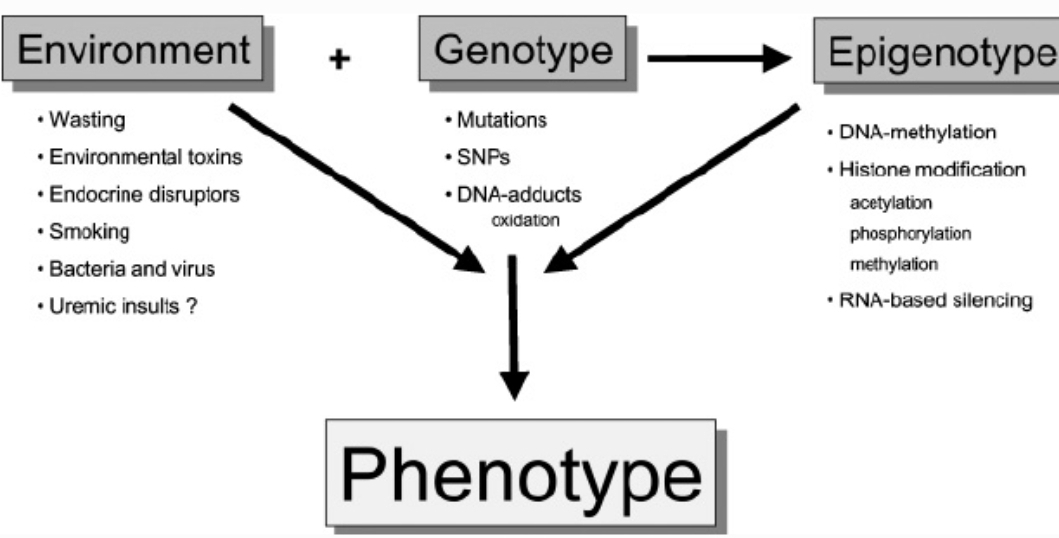
To understand why plasticity takes the lead, we must distinguish between the "blueprint" and the "operation." Random mutations involve physical changes to the nucleotide sequence of DNA. These are rare, often deleterious, and entirely accidental. In contrast, phenotypic plasticity is the ability of a single genotype to produce multiple phenotypes in response to environmental stimuli.

The machinery behind this is epigenetics. Unlike a mutation, which changes the letters of the genetic code, epigenetic modifications—such as DNA methylation and histone acetylation—act like "dimmer switches."
Speed and Frequency: The Hare and the Tortoise
The most compelling argument for the prevalence of plasticity over mutation is speed. Random mutations are statistical anomalies. For a beneficial mutation to arise, survive genetic drift, and reach fixation in a population through natural selection, thousands of years are typically required.
Epigenetic responses, however, occur almost instantaneously. When a predator enters an ecosystem, certain species of water fleas (Daphnia) can grow defensive helmets and spines within a single molting cycle. 
The "Selection First" Paradox
While the traditional view suggests that mutation provides the raw material for selection, the "Phenotype-First" theory of evolution argues the opposite.
When a population encounters a stressor—such as a shift in temperature or a new food source—plasticity enables individuals to adjust. This creates a "cushion" that prevents extinction. Once the population is stabilized by plastic responses, adaptation acts on the variation revealed by that plasticity. Over time, these plastic traits can become "genetically assimilated," meaning they eventually become fixed in the genome. 
Environmental Fidelity and Transgenerational Inheritance

One of the greatest limitations of random mutation is its blindness. A mutation does not occur because an animal is cold; it occurs by chance, and the animal happens to survive if the mutation helps. Epigenetic plasticity, however, is instructive. It is a direct response to the environment.
Furthermore, we now know that these "learned" molecular states can be passed down. Transgenerational epigenetic inheritance allows parents to pass on "environmental warnings" to their offspring. In famous studies involving rodents, ancestors exposed to specific scents paired with mild shocks produced offspring that feared those scents, despite never encountering the shock themselves. 
Versatility vs. Finality
A mutation is a permanent commitment. If a bird evolves a specialized beak through mutation to crack a specific seed, and that seed-bearing plant goes extinct, the bird is at a severe disadvantage.

Darwin's Finches explained by epigenetics
Plasticity offers reversibility.
Because epigenetic marks can be added or removed, an organism can remain versatile. This "biological hedging" is a far more common strategy in nature than the "all-in" gamble of genetic mutation. In environments characterized by seasonality or unpredictable weather patterns, the organisms that thrive are not necessarily those with the "best" fixed mutations, but those with the most responsive epigenetic toolkits.
Conclusion: A New Hierarchy of Adaptation
The evidence suggests that the primary engine of biological diversity is not the slow accumulation of typos in the DNA, but the sophisticated, responsive system of epigenetic regulation. This challenges the natural selection narrative for adaptation. The variation it acts upon is more frequently generated by phenotypic plasticity than by random chance.
By prioritizing plasticity, life ensures it is not a passive victim of the environment, waiting for a lucky mutation to save it. Instead, life is an active participant, using epigenetic mechanisms to sense, react, and thrive in an ever-changing world. The "survival of the fittest" is, in many ways, the survival of the most flexible.



Comments
Post a Comment