The Evolutionary Implications of Epigenetic Inheritance: Beyond the Genetic Blueprint

For much of the twentieth century, the Modern Synthesis of evolutionary biology rested on a singular, rigid pillar: the idea that inheritance is strictly Mendelian and genetic. In this view, the DNA sequence is the sole carrier of heritable information, and evolution is driven exclusively by random mutations and natural selection.


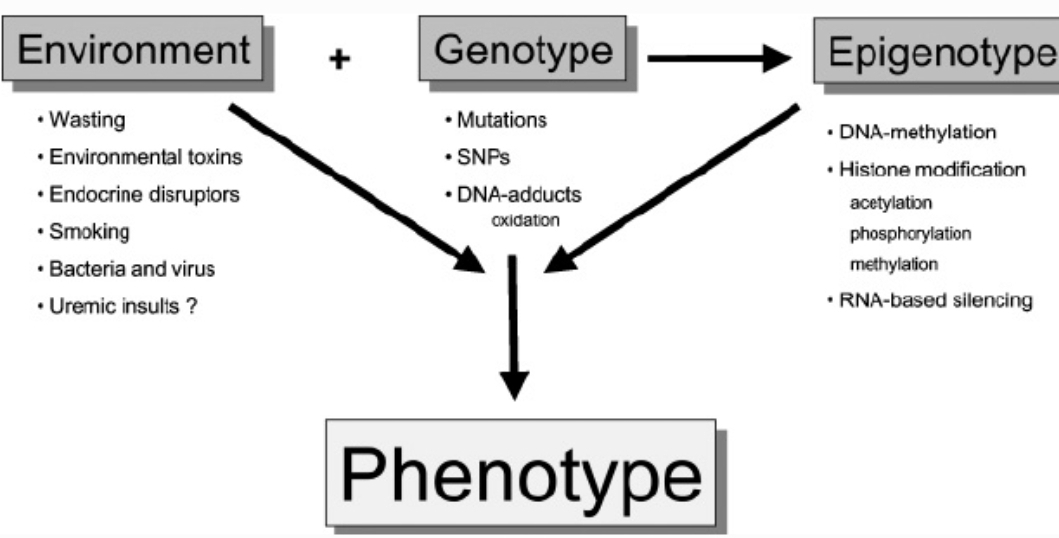
To understand the evolutionary implications of this shift, one must first define what epigenetic inheritance entails. It refers to the transmission of phenotypic variations across generations that do not stem from changes in the primary DNA sequence. These mechanisms include DNA methylation, histone modification, and RNA interference. 

The most immediate evolutionary implication of epigenetic inheritance is the acceleration of adaptation. 

Furthermore, epigenetic inheritance introduces a Lamarckian element into a Darwinian framework. While Jean-Baptiste Lamarck’s specific theories on the "use and disuse" of organs were largely discarded, Jablonka argues that the purposeful, directed inheritance of acquired characteristics is a biological reality at the molecular level.
This challenges natural selection and provides selection with a different kind of raw material. Instead of waiting for a "hopeful monster" mutation, selection can act upon a suite of epigenetic variants triggered by the environment. This shifts our view of the organism from a passive vessel for "selfish genes" to an active participant in its own evolutionary trajectory.
Another profound implication lies in the concept of macroevolution and speciation. Traditional models suggest that species diverge when geographic isolation leads to the slow accumulation of genetic incompatibilities. However, epigenetic divergence can occur much faster. Two populations of the same species living in different environments may develop distinct "epitypes" (epigenetic profiles) that affect mating calls, flowering times, or dietary preferences. These epigenetic differences can create reproductive barriers long before the DNA sequences themselves have significantly diverged. In this sense, epigenetics may be a primary driver of speciation, acting as the "first responder" that initiates the splitting of lineages.
Jablonka’s work also emphasizes the "multi-dimensional" nature of evolution. In her seminal book, Evolution in Four Dimensions, 
Critics of this expanded view often point to the "reprogramming" that occurs during embryonic development, where epigenetic marks are typically wiped clean. They argue that this limits the long-term impact of epigenetic inheritance. However, Jablonka and others have demonstrated that many marks "escape" this clearing process, particularly in plants and many invertebrates, and increasingly, evidence shows this happens in mammals as well. Even if an epigenetic mark only persists for three or four generations, it can still fundamentally alter the population’s survival probability during a crisis, thereby changing the eventual genetic outcome.
The inclusion of epigenetics also has massive implications for how we understand human evolution. Our species is defined by extreme plasticity and the ability to modify our environment. Cultural practices—from diet to stress-inducing social hierarchies—can leave epigenetic signatures that persist across generations. This suggests that "nature versus nurture" is a false dichotomy; nurture can become nature. The traumas or nutritional successes of our ancestors may be physically encoded in our regulatory systems, influencing our health and behavior in ways that the DNA sequence alone cannot explain.
In conclusion, the evolutionary implications of epigenetic inheritance, as articulated by thinkers like Eva Jablonka, represent a paradigm shift. We are moving away from a deterministic "blueprint" model of life toward a more fluid, interactive "symphony" model. By recognizing that the environment can leave a heritable legacy, we gain a more nuanced understanding of how life adapts, survives, and diversifies. Epigenetics does not negate the importance of the gene; rather, it places the gene within a wider, more dynamic system of inheritance that accounts for the complexity and speed of the natural world. Evolution, it turns out, is much more creative—and much faster—than we once dared to imagine.



Comments
Post a Comment