The Epigenetic Symphony of Our Plates

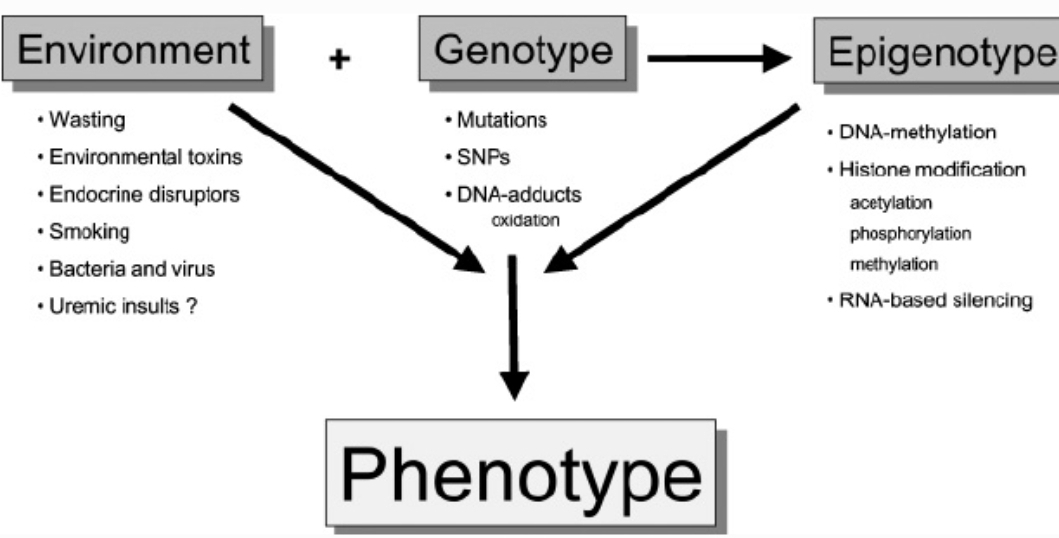
You are, quite literally, what you eat. For decades, we viewed this old adage as a simple equation of calories and nutrients: consume fuel, burn fuel, build tissue. However, a revolutionary frontier in biology has revealed that our relationship with food is far more intimate, dynamic, and profound. Food does not just provide the raw materials for our bodies; it serves as a complex software update for our DNA. This is the realm of nutritional epigenetics—the study of how the molecules in our diet interact with our genetic code, turning genes on or off without altering the underlying DNA sequence itself.
To understand this, it helps to imagine your DNA as a massive, lifelong musical score. The notes are fixed; you cannot change the sequence of A, T, C, and G molecules you inherited from your parents. However, how that music is played—whether a section is belted out by a brass section or silenced entirely—depends on the conductor. Epigenetics is that conductor. 
What hands the conductor the baton? Crucially, the food we swallow every single day.
Consider the humble broccoli floret. When you chew cruciferous vegetables, you release a compound called sulforaphane. 

The most vivid demonstration of this phenomenon occurs in nature with the Agouti mouse. 
This introduces a breathtaking, and somewhat heavy, responsibility: the epigenetics of food transcends generations. The choices we make at the dinner table do not just impact our own health; they leave an imprint on our children and grandchildren. Historical data from the Dutch Hunger Winter—a severe famine imposed by a German blockade during the winter of 1944—revealed that women who were pregnant during the famine gave birth to children who suffered from significantly higher rates of obesity, diabetes, and schizophrenia decades later. 
In our modern society, this cross-generational echo presents a massive challenge. The Western diet—highly processed, stripped of fiber, and packed with refined sugars and industrial seed oils—acts as a loud, disruptive epigenetic signal. Refined sugars and saturated fats trigger chronic inflammation, which alters the epigenetic landscape of our immune cells, priming them for hyper-reactivity. This can lead to a metabolic cascade that promotes insulin resistance and fat storage, setting a blueprint that can be passed down. We are effectively broadcasting an environmental crisis to our genes, and our genes are responding by preparing for survival, often manifesting as chronic illness.
Fortunately, the epigenetic script is not written in stone; it is written in pencil. Because these chemical tags are dynamic, they can be erased, added, or modified. Transitioning to a diet rich in whole, vibrant foods can begin to shift your genetic expression in a matter of weeks. Curcumin from turmeric, resveratrol from red grapes, anthocyanins from blueberries, and omega-3 fatty acids from wild-caught fish are all potent epigenetic modulators. They work in tandem to suppress inflammatory pathways and activate longevity genes, such as sirtuins, which oversee cellular cleanup and repair.
Furthermore, the emerging field of personalized nutritional epigenetics promises a future where we no longer rely on generic dietary guidelines. By analyzing an individual’s unique genetic predispositions alongside their current epigenetic markers, scientists will soon be able to prescribe highly specific menus. You might learn that your body requires an extra dose of dietary choline to keep certain metabolic genes quiet, or that your specific cellular makeup responds optimally to the polyphenols in dark chocolate.
Ultimately, the science of nutritional epigenetics shifts our perspective from genetic fatalism to profound empowerment. We are no longer helpless victims of our heredity. Our genes are not a static blueprint of our medical destiny; they are a dynamic conversation with our environment. Every meal is a sensory dialogue between the kitchen and the nucleus of your cells. Every forkful of vibrant, nutrient-dense food is an opportunity to whisper strength, longevity, and vitality to your DNA. By choosing what we eat with intention, we are not just feeding our hunger—we are composing the masterpiece of our health.



Comments
Post a Comment