The Genetic Ghost Dance: How Epigenetics Governed the Human-Neanderthal Legacy

When Homo sapiens migrated out of Africa and encountered Neanderthals in the Eurasian landscape, the resulting interbreeding was not merely a mixing of two different genomes. It was a collision of two distinct biological histories, each fine-tuned by hundreds of thousands of years of adaptation to vastly different environments. While the physical evidence of this hybridization is written in the 1% to 4% of Neanderthal DNA found in modern non-African populations, the true complexity of this merger lies in the software of the cell: the epigenome.

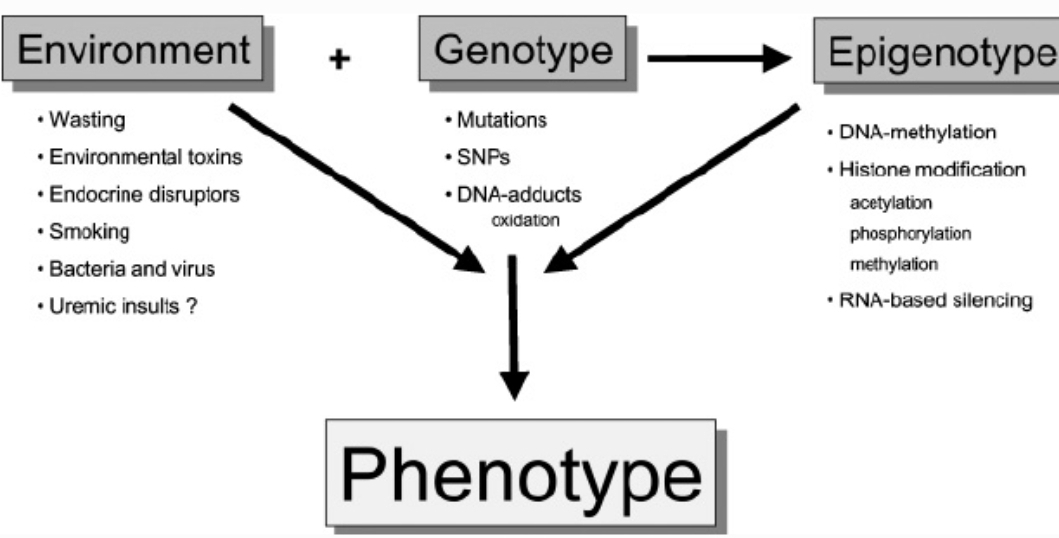
Epigenetics, the study of heritable changes in gene expression that do not involve alterations to the underlying DNA sequence, acted as the primary regulatory gatekeeper, determining which Neanderthal traits would persist and which would be silenced in the modern human lineage.

The most prominent mechanism in this regulatory battle was DNA methylation. This process involves the addition of a methyl group to specific locations on the DNA molecule, typically acting as a "mute" button for gene activity. Researchers have utilized innovative computational methods to reconstruct the methylation maps of ancient Neanderthal genomes, comparing them to modern humans. One of the most striking discoveries is that while the protein-coding sequences of many genes remained identical between the two groups, the methylation patterns—the instructions on when and where to turn those genes on—differed significantly. This suggests that the evolutionary divergence between humans and Neanderthals was driven less by new mutations and more by the epigenetic reprogramming of existing genetic architecture.

A critical area where epigenetic control manifested was in the development of the skeletal system. Genes such as those in the HOX cluster, which guide the body plan during embryonic development, show distinct methylation differences. For example, the gene DLX5, which influences the development of the jaw and cranium, was methylated differently in Neanderthals than in modern humans. When hybridization occurred, the resulting offspring inherited a mosaic of these regulatory signals. Epigenetic adaptation likely favored the modern human regulatory patterns for brain case shape and facial structure, which may explain why, despite carrying Neanderthal DNA, modern humans do not exhibit the heavy brow ridges or elongated skulls of our cousins. The epigenome effectively filtered out archaic morphological traits that were no longer adaptive for the sapiens lineage.

Beyond physical structure, the epigenome played a vital role in the integration of the Neanderthal immune system. Neanderthals had lived in Europe and Asia for millennia, developing robust epigenetic defenses against local pathogens. When humans interbred with them, we acquired "adaptive introgression"—beneficial genetic material that boosted our immunity. However, this came with a cost. Many Neanderthal-derived immune genes are associated with hyper-reactivity. Epigenetic regulation acts as a modern-day buffer; in some individuals, these archaic genes are silenced via methylation to prevent autoimmune disorders, while in others, environmental triggers can "wake up" these genes, contributing to conditions like allergies or lupus. This highlights the dynamic nature of epigenetic control, where the archaic legacy is not static but fluctuates based on environmental context.

Another fascinating dimension of this hybridization is genomic imprinting, a specialized form of epigenetic regulation where genes are expressed in a parent-of-origin-specific manner. If certain Neanderthal alleles were only beneficial when inherited from a specific parent, epigenetic marks would ensure the other copy remained inactive. This complex layer of control likely helped stabilize the hybrid genome, preventing "genomic shock"—a phenomenon where the sudden mixing of two divergent genomes leads to widespread regulatory chaos. By using methylation to harmonize the disparate genetic inputs, early hybrid populations were able to survive and eventually thrive, rather than succumbing to reproductive incompatibility.

The legacy of this hybridization is also visible in the brain. Research has identified "differentially methylated regions" (DMRs) in genes associated with neurological development. While modern humans and Neanderthals share the ROBO2 gene, which is involved in axon guidance, the methylation levels of this gene differ. This implies that even if the "parts list" for the brain was similar, the "wiring instructions" were modified by epigenetic shifts. These shifts likely facilitated the cognitive and social behaviors that define modern humanity, selectively silencing archaic neural pathways that were less suited to the increasingly complex social structures of early Homo sapiens.

In conclusion, the story of human-Neanderthal hybridization is not just a tale of genetic blending, but one of epigenetic curation. The epigenome served as a sophisticated filter, allowing beneficial archaic traits—such as skin pigmentation adapted to low UV light and enhanced immune responses—to be expressed, while suppressing traits that interfered with the modern human developmental blueprint. We are not simply a mixture of two species; we are the result of a meticulously regulated biological negotiation, where epigenetics ensures that the ghost of the Neanderthal remains a functional, yet controlled, part of our living identity.


Comments

Popular posts from this blog

Unpacking Epigenetic Inheritance

Convergent Brains, Divergent Paths: Challenging Neo-Darwinism and Embracing Epigenetics in Fish Evolution

Comparative Epigenetics: A New Frontier in Domestic Animal Breeding